Written by JonnyBird
Wild camping, when done right, can be one of the most memorable ways to enjoy our wild spaces. ‘When done right‘ is a key phrase – and one that we are asked most often about when guiding groups in the mountains. In order to help answer some of the common questions around this topic, we’ve put together a short post to shed some light.

Overview
Isn’t that illegal?
A very common question, and for good reason – the answer is a nuanced one. Currently, hillwalkers enjoying the mountains of England and Wales do not have the right to camp openly on access land without the agreed permission of the landowner. In Scotland there is an agreement in place that wild camping is permitted on such land given that those involved follow guidance of the Scottish Outdoor Access Code and act responsibly.
But how come people camp in the Lake District?
Another well timed and popular question! This is where the confusion creeps in – while hikers do not have the explicit permission to wild camp on access land, in many National Parks across England and Wales it is tolerated as long as you follow good practice and consider others and the natural environment around you. When these guidelines are followed, there is an understanding that spending a night in these remote places, can be a positive and memorable experience.
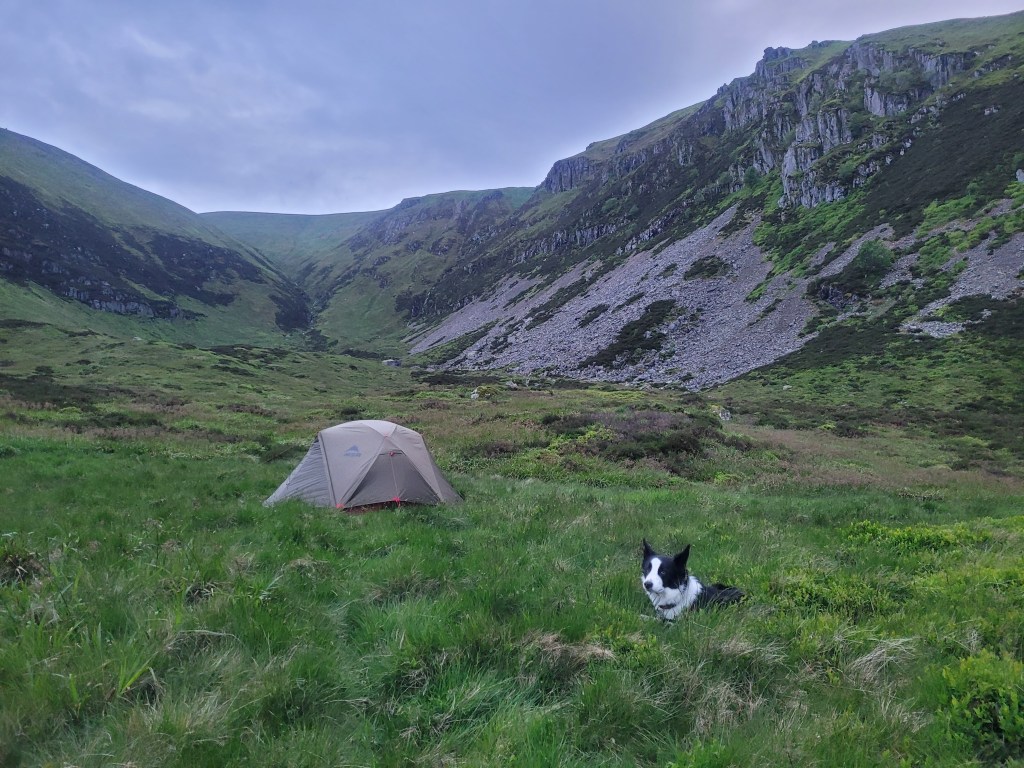
Our top tips for responsible camping
The British Mountaineering Council has a great extensive list of the ‘Do’s and ‘Don’t’s of wild camping here; however, we have tried to distil this down into three key principles:
- Choose your location well – wild camping is as the name suggests – wild. It is important to try and stay as inconspicuous as possible, meaning avoiding well known spots, and camping away from roads and popular footpaths. It is always recommended to arrive late, and set off early.
- Keep it small, keep it moving – wild camping is best done in small groups – often campers get a bad reputation from pictures of 8 man tents, deck chairs, cool boxes and the likes. We want to keep it small, discrete and quiet. It is also recommended to only camp in a particular spot for one night too!
- Leave no trace – this is a great guiding principle that can be applied across many aspects. Whether that be taking all litter with you, using the toilet responsibly (good advice here), avoiding lighting fires or changing any of the natural environment around you. The best way to judge this is – no one should ever know you were there.
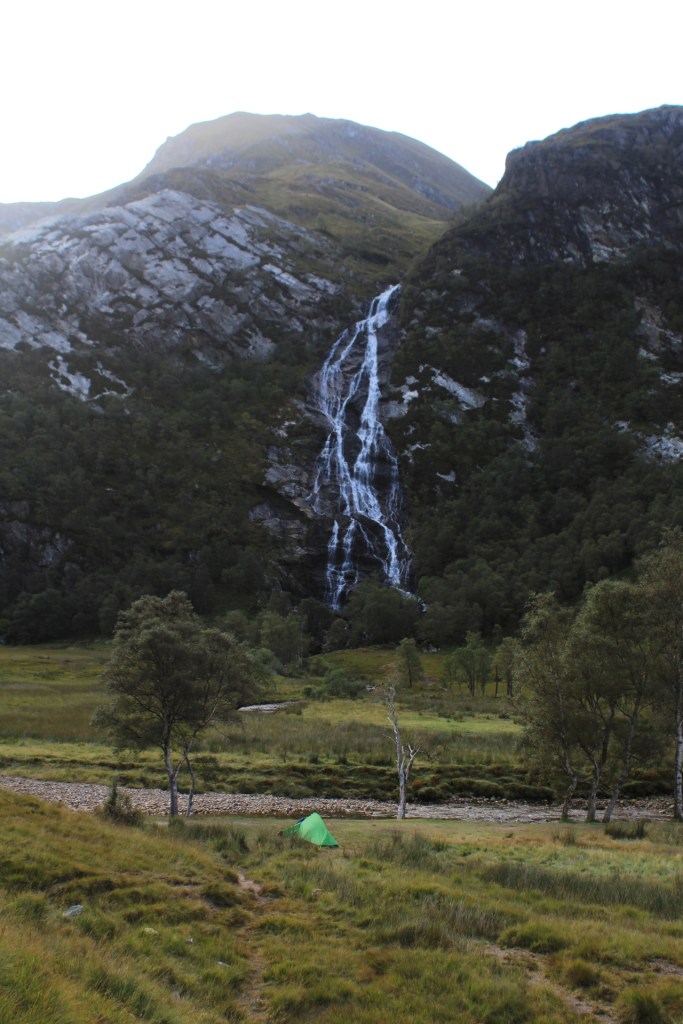
Following these guidelines should be a good gateway into some great adventures in the hills – we have enjoyed many a night tucked away in remote valleys of the UK. There may be instances, although rare, where you are asked to move on by landowners or farmers – in these cases, our advice is always to be polite, apologetic and move onto another spot. For this reason, we always have a back up plan for a secondary location.
“The mountains are calling, and I must go!”
John Muir

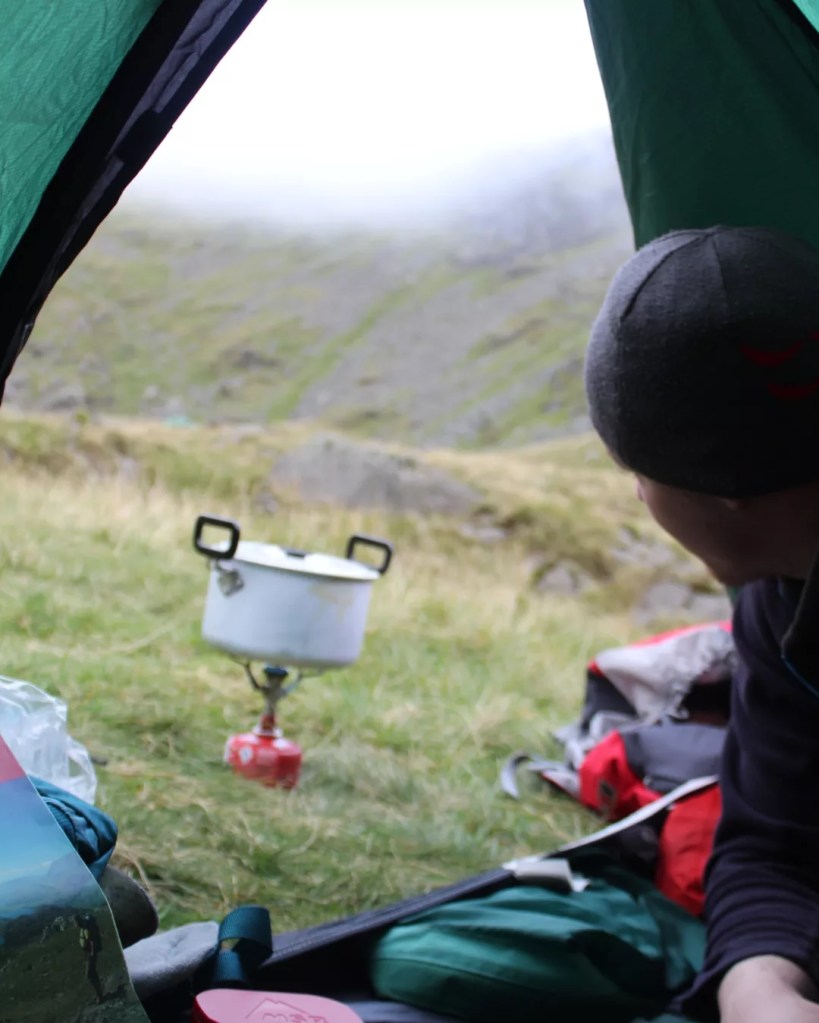
Wild Mile Adventure offers guided wild camping experiences across the UK. For more info, see our website here.
Recommended Links
BMC guide to wild camping – https://www.thebmc.co.uk/en/how-to-wild-camp
Scottish Outdoor Access Code: Camping – https://www.outdooraccess-scotland.scot/practical-guide-all/camping
Wild camping from Mountaineering Scotland – https://www.mountaineering.scot/activities/camping/wild-camping
Wild camping experiences with Wild Mile Adventure – https://wildmileadventure.co.uk/wild-camping-experiences/

wild.mile@outlook.com
 Wild Mile Adventure
Leave a comment